
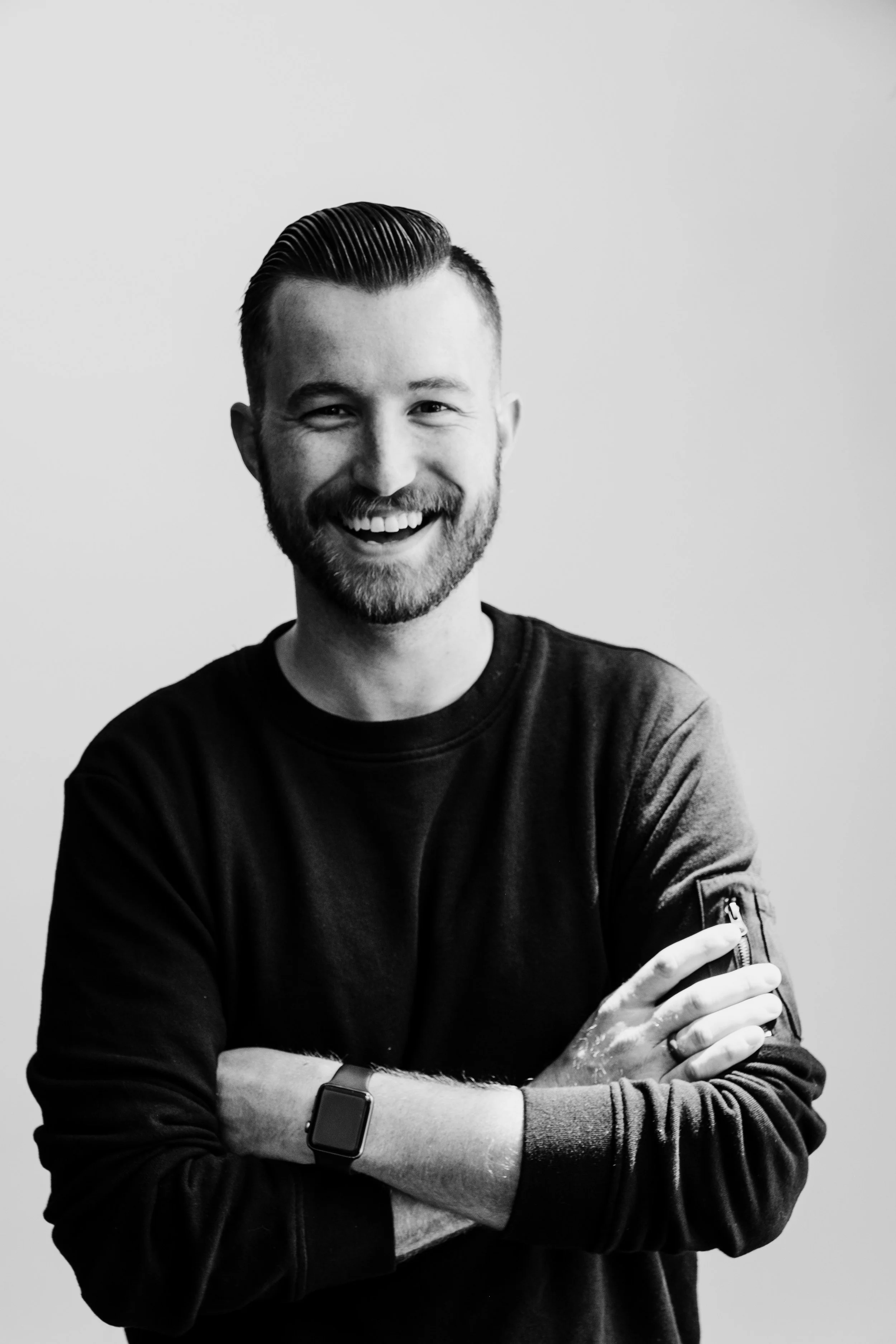
Ashton Owens
From a growing up on a 300-acre ranch to building companies with the greatest shooter of all time and developing infrastructure for the AI age. Ashton is currently writing a book to help Christians think clearly about how technology is shaping people and forming our faith.
-
I grew up in Springfield, Missouri, where faith, family, and community were a central part of life. After high school, I attended Ozark Christian College in Joplin, Missouri, where my understanding of Scripture and the local church was deeply shaped.
Today my wife and I—married for over sixteen years—are raising our three sons and remain deeply connected to church life. We have attended Life.Church for more than thirteen years and currently attend the Springfield campus, where we also host and lead a life group from our home.
Growing up in the Church, studying Scripture, and remaining actively involved in church community today continue to shape both my faith and the perspective behind my work.
-
My entrepreneurial journey began in my early twenties when I raised more than $4 million for my first startup. Since then I’ve spent more than a decade building companies and advising founders, creators, and athletes navigating the modern media and technology landscape.
For the past seven years, I’ve worked alongside Stephen Curry, helping build companies and initiatives connected to his growing business and cultural platform. Along the way I’ve also become a business advisor to athletes and creators working at the intersection of sports, media, and entrepreneurship.
My work has also intersected with Christian media and publishing. I’ve consulted with Mardel Christian & Education on their Not of This World apparel line, contributed design work connected to the Netflix production of The Book of John produced by Mark Burnett, and collaborated with authors such as Jefferson Bethke and Les & Leslie Parrott while working alongside publishing houses including Thomas Nelson and HarperCollins.
More recently, my work has expanded into building data center infrastructure for the AI era, giving me firsthand exposure to the technologies now shaping culture, communication, and the future of information.
That perspective—working inside entrepreneurship, media, and emerging technology—ultimately led to the creation of Artificial Faith, an effort to help church leaders understand how artificial intelligence is shaping people beneath the surface.
-
Artificial Faith grew out of that question.
The Church has always navigated cultural and technological shifts — from the printing press to television to the internet.
Artificial intelligence introduces something different.
It is not simply a communication tool.
It is a formative environment.Artificial Faith exists to help church leaders understand those forces and respond with clarity, wisdom, and biblical grounding rather than reaction or fear.
-
I believe the Church should lead cultural conversations about technology, not avoid them.
I believe innovation can serve the mission of the Church when it is approached with discernment.
And I believe the responsibility of spiritual leaders is not just to teach truth — but to understand the forces shaping the people they shepherd.
Artificial Faith is an effort to help leaders do exactly that.
-
Churches typically begin with a consultation to explore how artificial intelligence may already be shaping their congregation and leadership culture.
From there, organizations can walk through the Five Formations Framework, which provides language, structure, and practical tools for addressing these issues with staff teams and leadership.
The goal is simple:
To ensure technology serves the mission of the Church without quietly discipling it.